Editorial Cientifica
Publication Costs
Editorial Integrity and Similarity Screening Policy


ISSN: 3087-2502
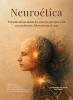
The chapter offers a discussion of neuroethics, which has positioned itself as a discipline that seeks to move beyond ethics as formulated in philosophy. It draws on research on the brain and suggests that such findings would finally make it possible to locate the precise site where decisions concerning the moral domain take place. Although the achievements of the neurosciences can be regarded as far-reaching, they should be met with a challenge to a certain neurocentrism, a term Markus Gabriel uses to object to the preponderance of the brain in determining moral acts, which overlooks the fact that the identity of the self is dispersed and can hardly be reduced to cerebral dispositions. Yet, in the face of a certain skepticism that Markus Gabriel voices toward the neurosciences, it is worth recovering the concept of plasticity in order to conceive of the brain as a machine that is not there to determine the self, but to be shaped by the individual through education, whose aim would be to form persons capable of adaptation, of transformation and, most importantly, of responsibility for their own moral acts.
editorial@cuadernosdesofia.com
+56 9 3529 7200
Avenida Libertad 269, Oficina 904, Viña del Mar, Chile
Safe and secure data

A publishing house founded in 2014 by History and Geography professor Juan Guillermo Estay Sepúlveda, who left us his work and part of his legacy.
Editorial Cuadernos de Sofía SPA
77.649.795-9
Licencia Creative Commons Attribution-NonCommercial 4.0 International (CC BY-NC 4.0)
International License