Editorial Cientifica
Costos de Publicación
Política de integridad editorial y control de similitud


ISSN: 3087-2502
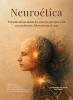
El presente capítulo parte de la problemática asociada al conocimiento occidental moderno, que ha otorgado a la ciencia un lugar hegemónico en la producción del conocimiento. Esto ha llevado a excluir e invalidar otros conocimientos como formas de ser, existir y habitar el mundo. Frente a ello, se propone una reflexión crítica sobre la construcción de una epistemología pluralista mediante el análisis conceptual sustentado en el pensamiento complejo de Edgar Morin y la transdisciplinariedad de Basarab Nicolescu, teorías empleadas como ejes articuladores en la propuesta de construcción de plurisaberes alternos. Metodológicamente, el trabajo se desarrolla desde una perspectiva ensayística y hermenéutica que busca poner en relación y diálogo distintos horizontes epistemológicos, como formas diversas del saber humano, entre los cuales se encuentran la ciencia, el mito, los saberes originarios, las perspectivas decoloniales, la neuroética y el Buen Vivir. Desde este enfoque, la construcción del conocimiento se comprende como un proceso de articulación entre múltiples niveles de realidad, saberes y racionalidades. Por ello, este análisis plantea una visión alterna de la construcción del conocimiento desde un enfoque pluriepistémico que permita reconocer y validar la diversidad de saberes sin jerarquías, en igualdad y complementariedad, condición necesaria para fundamentar éticamente el cuidado de la vida y superar las visiones fragmentarias del conocimiento actual.
editorial@cuadernosdesofia.com
+56 9 3529 7200
Avenida Libertad 269, Oficina 904, Viña del Mar, Chile
Datos seguros y protegidos

Editorial fundada en el año 2014 por el profesor de Historia y Geografía Juan Guillermo Estay Sepúlveda quien, nos deja su trabajo y parte de su legado.
Editorial Cuadernos de Sofía SPA
77.649.795-9
Licencia Creative Commons Attribution 4.0 International (CC BY 4.0)
Licencia Internacional