Editorial Cientifica
Publication Costs
Editorial Integrity and Similarity Screening Policy


ISSN: 3087-2502
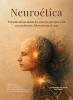
The aim of this chapter is to reflect on the recognition of the plurality of knowledges through the ethics of care and ecosophy, aspects that the text presents as strengthened by neuroethics—through the role of mirror neurons—and by neuroethics’ contribution to reinforcing social bonds and relations with non-human beings. This is framed as necessary because the present era is marked by a series of alterations in ecosystems and in Earth’s natural cycles, as well as in the ways people relate to one another. In educational settings there is talk of the need to learn to live together. These situations prompt a rethinking of how individuals relate to each other and to the environment. This chapter therefore analyzes theoretical proposals that support interconnection among species and the recognition of diverse knowledges, focused on the care of life in community. The text is divided into three sections: the first develops the ethics of care as something that can foster cooperation among individuals, without attributing care exclusively to women, but as a value that encourages social interaction; the second explores ecosophy, a current of thought that may help achieve a harmonious relationship with nature, taking up Guattari’s claim about the three ecological registers—environment, society, and human subjectivity; the third section holds that diversity is central to living with others and examines the recognition of different ways of explaining reality. The closing reflections reiterate that the construction of plurality and difference must be strengthened collectively, since international documents that affirm this are not enough: will and participation are required, as is the inclusion of some of these themes in university settings.
editorial@cuadernosdesofia.com
+56 9 3529 7200
Avenida Libertad 269, Oficina 904, Viña del Mar, Chile
Safe and secure data

A publishing house founded in 2014 by History and Geography professor Juan Guillermo Estay Sepúlveda, who left us his work and part of his legacy.
Editorial Cuadernos de Sofía SPA
77.649.795-9
Licencia Creative Commons Attribution-NonCommercial 4.0 International (CC BY-NC 4.0)
International License