Editorial Cientifica
Publication Costs
Editorial Integrity and Similarity Screening Policy


ISSN: 3087-2502
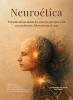
The chapter examines theatre as a neuroethical laboratory capable of integrating the cognitive, emotional, and moral dimensions of human beings within educational contexts. Through the dialogue between neuroscience, ethics, and performing arts, the study proposes an understanding of how theatrical experiences foster moral reflection with the aim of conscious decision-making processes. The research is grounded in the idea that morality does not rely solely on rationality, but also on emotions, sensory experiences, and social interaction, all of which find a privileged space for exploration and learning in theatre.
Furthermore, the paper adopts a transdisciplinary and pluri-epistemic perspective that combines scientific, humanistic, and artistic knowledge to address contemporary challenges in moral education. The text argues that drama-based moral learning enables students to experience ethical dilemmas through theatrical exercises that activate both cognitive and affective processes, strengthening self-awareness, communication, and understanding of others. In this sense, theatre is conceived as a pedagogical tool aimed at the integral development of individuals, capable of generating conscious experiences of morality and social coexistence. The study concludes that the integration of neuroethics, education, and theatre represents an innovative educational alternative to promote critical thinking, ethical sensitivity, and the collective construction of human well-being in contemporary educational settings.
editorial@cuadernosdesofia.com
+56 9 3529 7200
Avenida Libertad 269, Oficina 904, Viña del Mar, Chile
Safe and secure data

A publishing house founded in 2014 by History and Geography professor Juan Guillermo Estay Sepúlveda, who left us his work and part of his legacy.
Editorial Cuadernos de Sofía SPA
77.649.795-9
Licencia Creative Commons Attribution-NonCommercial 4.0 International (CC BY-NC 4.0)
International License